There’s a special kind of smug joy in sitting in a steaming hot tub while the snow says rude things to your face. Winnipeg winters reward the prepared, and a backyard spa might be the most civilized way to make peace with February. The catch is timing. Buy at the wrong moment and you’ll pay a premium for impatience. Buy at the right moment and you can shave four figures off the sticker, snag free delivery, or score better insulation without upsell theatrics. Winnipeg isn’t a copy‑paste market either. The city’s wild seasonal swing, our freight routes, and the way local dealers manage inventory all shape what “a deal” really looks like.
I’ve helped homeowners shop, negotiate, and install tubs from St. Vital to Stony Mountain. Some waited for a show special, some seized end‑of‑season clearance, some bought floor models that had seen more dust than water. The big lesson isn’t “wait for Black Friday.” It’s understanding how the Winnipeg cycle works, then moving when dealers are motivated and you’re prepared.
The rhythms of the Winnipeg hot tub calendar
Every city has its retail beat. Ours moves to frost and freight.
Late winter into early spring is often prime time for serious discounts. Dealers are clearing previous‑year models before new inventory lands. Manufacturers start shipping in March and April, which means showroom space is gold. You’ll see “last year’s shell colour” quietly become a bargaining chip. If you’re flexible on aesthetics, this window can save 10 to 20 percent, sometimes more on 6 to 8 seaters that didn’t match the year’s colour trend.
Early summer looks tempting, but margins usually tighten. Inventory is fresh, and patio shoppers are flush with optimism. You might score a modest package deal on steps or a cover lift, though prices rarely drop sharply. The exception is when a dealer bought heavy in spring and needs cash flow by Canada Day. That’s when you’ll hear “two left at this price” announcements that are, for once, not pure theatre.
Late summer into fall is a second sweet spot. The back‑to‑school lull and pre‑winter push work in the buyer’s favour. Dealers want your install on the calendar before first frost. They’d rather sell at a discount in September than sit on bulky stock in December. Installation teams are still running full tilt, electricians aren’t buried in snow calls, and you won’t be wiring a GFCI by headlamp.
Winter deals do happen, especially on floor models. Winnipeg Hot Tubs and similar shops keep a few units live for demos. Floor models can come 15 to 30 percent off with premium covers thrown in. The risk is surface wear or jets that have seen many hands. A good store will swap the cover and filters, test pumps and heaters in front of you, and honour a full manufacturer warranty from the purchase date. That’s your line in the snow. If they say “balance of factory warranty,” ask for equivalent coverage in writing.
Freight, snowfall, and why our discounts look different
Winnipeg’s distance from coastal ports matters. Freight for a mid‑range spa can run 700 to 1,200 dollars by the time it hits a local warehouse. If diesel spikes or the Perimeter sees a week of truck delays, dealers get cautious about deep cuts until containers clear. When freight softens, you’ll see bundle deals fatten, especially on big tubs where shipping erodes profit.
Winter itself can either stall installations or fill the pipeline. A sudden cold snap often delays concrete pads and trenching. Smart dealers pre‑sell with “spring set and winter price,” meaning you lock in a discounted rate now and install later. It’s not exotic financing, just practical. Ask whether your price is protected regardless of manufacturer increases. Some stores will write a clause that eats a 3 to 5 percent factory bump, provided you take delivery by a defined month.
The truth about “show specials” and expo season
The Winnipeg Home + Garden Show and other expos bring noise, strobe lights, and “today only” signs. Some deals are real, others are simply the standard promo wrapped in urgency. Here’s the pattern I see every year. Dealers bring evergreen bundles to the show: free steps, a cover lifter, starter chemicals, sometimes delivery and a 50 amp GFCI. The true show exclusive is usually one or two models priced below normal margin to create buzz and book installs. If you want that unicorn, go early in the show and be flexible on colour and cabinet finish.
A quiet tactic is to scout on day one, then return near closing on the last day. If a floor demo has been placed on hold twice and both buyers walked, a sales manager may sharpen the pencil to avoid hauling it back to the store. Insist on a written commitment to swap any scuffed panels and to deliver a new cover. If a dealer balks, you can still leverage the show Swim and Spas bundle at the brick‑and‑mortar location the following week. The “Hot tubs for sale” flag doesn’t drop at midnight.
Winnipeg Hot Tubs vs. “hot tubs store near me” searches
Type “Hot tubs store near me” and you’ll get a mixed bag: dedicated spa dealers, pool companies that dabble, and big‑box “assembly required” specials. Local specialists like Winnipeg Hot Tubs or long‑running pool and spa shops earn their keep through service after the sale. When the -30 wind chill hits and your control panel throws an error, you want someone who answers the phone and has parts on the shelf. That has value greater than a $300 discount from an out‑of‑town e‑retailer.
If you shop across multiple stores, keep apples lined up with apples. One dealer’s “delivered” means driveway drop. Another’s includes backyard placement with sleds, two techs, and a smile. “Start‑up” can mean pouring a cup of shock and fleeing, or a full system purge, water balancing, and a walkthrough that saves you three hours on YouTube later. Ask who handles warranty work locally. If the answer is “we’ll coordinate with the manufacturer,” clarify whether that involves a real technician driving to St. James or you shipping a control board to Saskatchewan.
When each season shines for different buyers
I tend to match the buyer profile to the calendar, not just the weather.
If you need financing, late winter is often friendlier. Manufacturers roll out factory‑subvented rates to jumpstart the year, like 0 percent for 18 months or low APR plans that beat a line of credit. These stack poorly with huge cash discounts, so decide which matters most. If you have cash in hand, late summer and end‑of‑year clearances lean your way.
If you want custom upgrades, spring is your canvas. You’ll get your pick of shell colours, cabinet finishes, and insulated base upgrades before the backlog builds. If your priority is raw value and you’re flexible on looks, floor models in winter or prior‑year carryovers in March will save you money with zero performance compromise.
If your yard needs work, the best deals in January won’t help you if the pad can’t be poured until May. In that case, lock a spring installation price during a winter promo and put your energy into trades scheduling. The tight labor window in Winnipeg can be more expensive than any hot tub upgrade.
The features worth paying for in this climate
Spend where the cold bites. Manufacturers will sell you a Bluetooth module you’ll use twice. What keeps your bill manageable in January is insulation, cover quality, and plumbing.
Full foam insulation reduces convective heat loss and muffles pump noise. Some budget lines skip full foam to keep costs down. In Winnipeg, that shows up on your hydro bill and your patience. The difference between a well‑insulated 7‑foot tub and a hollow‑cabinet cousin can be 15 to 30 dollars a month in winter. Over five years, that’s a real number.
Covers matter. Ask for the R‑value, but also ask about taper. A 5 to 3 inch taper sheds snow, which reduces load, which saves the hinge, which keeps the seal intact. If a dealer throws in a cheap 4 to 2 inch cover with the “Hot tubs for sale” banner, see if they’ll swap for a thicker one at cost. A better cover pays back with less heat loss and fewer mid‑January swears.
Plumbing and freeze protection aren’t sexy, but Winnipeg exposes shortcuts. Look under the skirt. Do you see neat runs with minimal 90‑degree elbows, unions where they belong, and valves you can identify without a flashlight and a prayer? Ask about freeze recovery features: circulation pump logic, heater overlap, and any low‑temperature sensor that kicks on protection mode. If a salesperson’s eyes glaze over, find one who can speak mechanics, not just mood lighting.
Electrical prep is not the place to save. A 50 amp GFCI, properly placed with schedule 40 conduit and an accessible shutoff, is one of those things you only appreciate when you need it. Let the dealer coordinate with a licensed electrician, or bring your own. Either way, get your quote in writing with model‑specific amperage and wire gauge.
Trade‑offs that real buyers wrestle with
A lounge seat looks great in the brochure. In a snow belt city, the added length can complicate placement in yards where you want the tub tucked close to the back door. If you plan to sprint in a robe, a 7 by 7 non‑lounge model might be the better Winnipeg choice. You’ll get more seating options and a tighter footprint near the house.
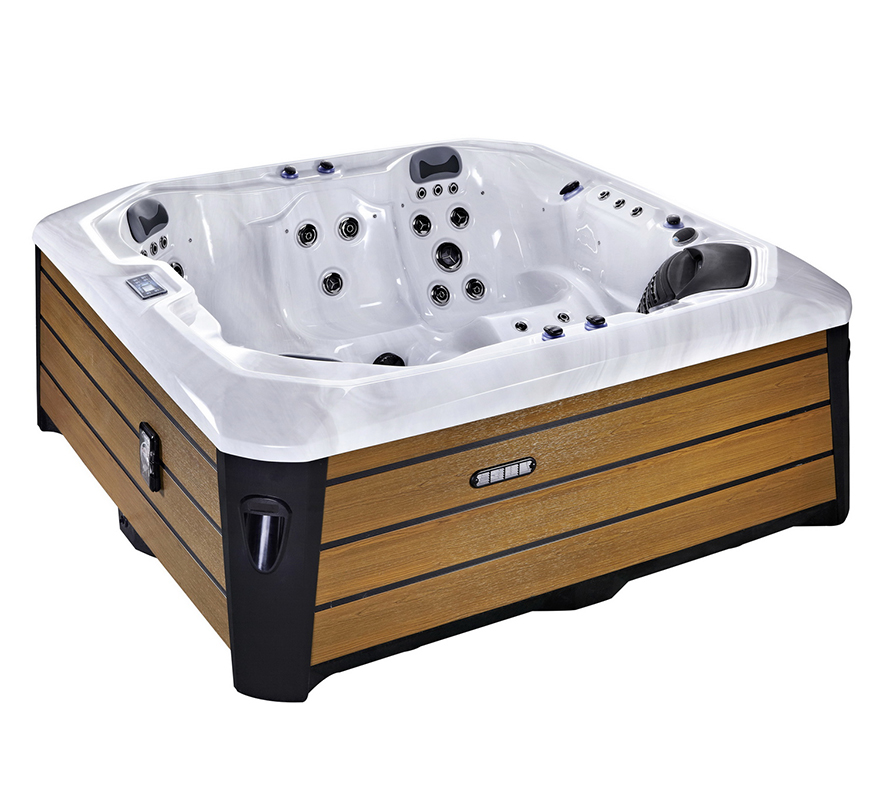
More jets is not better. Better jets are better. Dealers love to brag jet counts. What matters is pump horsepower, air mixture control, and distribution. One 2.5 hp pump pushing a dozen well‑designed jets beats two anemic pumps pushing 50 pinpricks of disappointment. Sit in the model wet, even if it’s awkward. A good shop will fill on request with a day’s notice.
Salt systems simplify water care, but in extreme cold the cell’s output can drop, and your balance still needs attention. If you are disciplined with test strips, a simple bromine or chlorine routine with a mineral stick can be cheaper and trouble‑free. If you travel often, salt plus an ozone or AOP system can maintain clearer water with fewer interventions. Trade simplicity against cost of consumables and replacement cells.
Big‑box prices dazzle, service lags. If you’re handy and the tub is truly for summer use, a budget unit might be fine. If you plan to soak through a polar vortex, spend on a brand with a local parts pipeline. Winnipeg’s cold punishes any gap in insulation or service support.
How to spot a real deal without getting lost in logos
I keep a small scorecard when shopping across multiple dealers, since names and smiling promises blend together after your third foam coffee.
- Power, plumbing, and insulation: total amperage, number and size of pumps, full foam or hybrid, base pan insulation, and presence of a dedicated circulation pump. Total cost of ownership: hydro estimates from the dealer for January, cover quality and warranty, filter cost per year, and any service call fees after the first year.
Bring this to each “Winnipeg Hot Tubs” showroom you visit. Ask the same questions, then compare line by line. The best price is the one that delivers the best five‑year experience, not the cheapest sign in the window.
The price bands and what they mean on a Winnipeg driveway
Budget tubs, often rotomolded or entry acrylic, cluster from 4,500 to 7,500 dollars before tax. They can be excellent for summer or shoulder seasons. Winter operation is possible, but watch insulation and covers. If you’re running these at -25, expect higher hydro bills and a little more noise as pumps work harder.
Mid‑range units, the bread‑and‑butter of family hot tubs, usually land between 8,500 and 13,000. At the top of this range you should see full foam, a dedicated circulation pump, quality jets, a decent control system, and a cover lifter included. A smart September shopper can clip 1,000 to 2,000 off list here.
Premium models stretch from 13,000 to 20,000 plus. You’re paying for better materials, refined ergonomics, quiet operation, insulation you won’t curse, and dealer support that doesn’t ghost you. Discounts are smaller in percentage terms but can still be meaningful in dollars, often showing up as bundled accessories, stronger warranties, or protected financing.

Delivery and placement in Winnipeg vary more than people think. Tight side yards in Wolseley or Crescentwood sometimes need crane service. A small knuckle boom tow can add 600 to 1,200, while a full street crane can hit 1,500 to 3,000. If a dealer’s quote feels cheap, double check whether crane potential is excluded. Don’t assume “free delivery” covers the realities of a 36‑inch gate and an angled alley.
Timing your buy with practical prep
Big discounts tend to reward buyers who can say yes and schedule quickly. If you know you’re aiming for a late summer deal, lay the groundwork in spring.
Get your pad sorted. A 4‑inch reinforced concrete pad performs across freeze‑thaw cycles. Patio stones on compacted base can work, but watch heaving. Level matters more than pretty, and a tub that starts level stays kinder to pumps and seals.
Sort electricity before you sign, or at least get a firm quote. A 240‑volt run can be simple if your panel has space and the path is short, or it can be a thousand‑dollar surprise if you need a subpanel. In older River Heights homes, main panel upgrades are common. Price it now rather than having your discounted tub sit for six weeks while you hunt an electrician during peak season.
Know your access path. Measure your gate, note any overhangs, and photograph tight corners. A good dealer will pre‑site and call any cranes early. That saves everyone time and keeps your install date locked.
Water chemistry basics should not intimidate you. If you can manage coffee strength, you can manage sanitizer. Ask the dealer to set you up with a startup kit, fresh filters, and a 10 minute chemistry walkthrough at installation. Snap pictures of the process and keep a quick journal for the first month. Patterns make themselves known.
What to say when you’re ready to negotiate
You don’t need to be slick. You do need to be specific. Salespeople respect an informed customer who isn’t wasting their Saturday and a half dozen test soaks.
Tell them your priorities: winter efficiency, placement near the house, quiet operation after 10 p.m., a budget range you can actually afford. Then ask two questions: what’s the best package you can put together this week, and what price protection or upgrade can you extend if I commit today? The second question nudges them toward adding value rather than just slicing price, which keeps service goodwill intact.
If a competing store offered you a similar model with an upgraded cover and a cover lifter included, mention it. Don’t invent numbers, it poisons the well. Cross‑shop on equivalent specs and invite the dealer to match on meaningful features. Many will, or they’ll counter with free start‑up service, extra filters, or a first‑season checkup. Those are worth real dollars and convenience.
Floor models and refurbished units, the cautious win
Winnipeg dealers sometimes refurbish trade‑ins or warranty returns, especially after a busy summer. If you’re budget‑focused and mechanically sensible, these can be smart buys. Get the repair list in writing, demand a wet test, and insist on a warranty that covers shell, structure, and major components for at least a year. Inspect cabinet corners for swelling, check under the skirt for clean foam patching, and listen for pump bearings that sing. If it hums like a happy fridge, good. If it sounds like an airplane, keep walking.
Floor models are easier. Their life has been indoors, wired correctly, and managed by staff who don’t want a headache. You’ll often get premium steps and a lift thrown in. Ask for fresh filters, a new cover, and a full factory warranty start on delivery day. Most reputable shops will agree.
The quiet value of local service relationships
Every Winnipeg winter produces a week that tests equipment and patience. When the call volume spikes, established customers get priority. It’s not favoritism, it’s logistics. The techs know the installation, the access path, and the quirks of your model. If you bought from a nameless website and a contractor installed it as a one‑off, you’re likely at the back of the line.
Pay attention to parts inventory during your initial visits. A store with bins of heaters, pumps, topsides, and sensors for the brands they sell is a store that intends to support you. Ask how many service techs they field in January and what a standard service call costs out of warranty. Get it in writing with your receipt packet. The “Winnipeg Hot Tubs” logo on the van matters more in January than any Instagram photo in July.
When waiting is smarter than buying
Sometimes patience pays. If your dream tub is due for a model refresh, dealers will be motivated to move the current version before the new batch lands. This can mean price cuts or free upgrades from the incoming spec. If your yard is under renovation, rushing a purchase forces workarounds that multiply costs. And if you’re waffling between two models for fit and ergonomics, keep visiting and soaking until your body decides. The Winnipeg market is brisk, but there will always be hot tubs for sale. Don’t let a weekend promo stampede you into a shell that cramps your calves.
A simple pre‑purchase checklist for Winnipeg buyers
- Calendar and cash: target late winter or early fall, decide on cash versus financing, and set a ceiling that includes electrical and placement. Site and service: confirm pad plan, power availability, access path, and which dealer will service your warranty locally. Winter readiness: full foam insulation, 5 to 3 inch cover, dedicated circulation pump, and clear freeze protection features. All‑in quote: tub, cover, lift, steps, delivery to pad, crane if needed, start‑up, chemicals, GFCI, taxes, and any service call rate sheet. Paper and promises: warranty terms in writing, delivery window, price protection clause if delayed, and a named contact for service.
Final thoughts from a yard full of steam
The right hot tub turns Winnipeg’s longest months into an excuse to linger outdoors. It shortens evenings in the best way, invites conversations that might not happen at a kitchen table, and makes your backyard feel like a destination instead of a snow storage facility. You don’t need the most expensive model to get that. You do need a tub built for this climate, a dealer who will answer the phone in January, and a purchase timed to the market’s natural ebbs.
Watch for seasonal patterns, not just red tags. Visit more than one showroom, including the obvious “hot tubs store near me” options and the specialists who speak in amps and insulation rather than only water features. Sit in the shells, wet test when you can, and read your quote like a contract, because it is. When you finally sink into hot water while the forecast laughs at you, you’ll be glad you did the dull parts well. The best discount is the one you forget about because the experience keeps paying you back, one steaming, quiet, winter night at a time.