Winnipeg winters have a way of reminding you where you live. The first cold snap arrives, your breath hangs in the air, and every outdoor surface converts to a curling sheet. That is when a plug-and-play hot tub starts looking less like a luxury and more like a coping strategy. The premise is simple: you roll it into place, fill it with a garden hose, plug it into a standard outlet, and let it warm your bones while the snow quietly stacks on the lid. You do not need an electrician to run a 240-volt line, you do not have to redesign your deck, and you can move the spa later if you decide to rearrange the yard or relocate across town.
This guide draws on the reality of Winnipeg life, where a January night can hit minus 30 and the wind laughs at your parka. The focus is plug-and-play hot tubs for sale that actually hold up here, not just in showroom demos. We will talk insulation that matters, covers that do not ice up on the edges, pumps that do more than thrash water, and brands you can get serviced by Winnipeg Hot Tubs dealers without waiting for spring. If you found this looking for a “hot tubs store near me,” you will also get a sense of where local shops shine compared to big boxes and online-only bargains.
What “Plug-and-Play” Means, Winnipeg Edition
On paper, plug-and-play means a 110 to 120 volt spa that draws from a standard household circuit, usually 15 or 20 amps. No special wiring, no breaker upgrades. In practice, Winnipeg adds a few wrinkles. Outdoor GFCI protection is non-negotiable, and you will want a dedicated circuit to avoid tripping breakers when the heater and pump run together. The heater in these models is typically 1 to 1.5 kilowatts. That is enough to maintain 38 to 40 Celsius during use, but recovery times can test your patience if you open the cover for a long soak at minus 20.
The upside is real. Lower upfront cost, faster setup, and easier placement. Many of the best units weigh under 350 kilograms empty, so two or three people and a furniture dolly can maneuver one onto a deck, through a standard gate, or down a side yard crusted with snow. If you rent or anticipate a move, you can drain it, load it, and take your investment with you.
The Winnipeg Weather Test: What Actually Matters
Insulation is not a brochure checkbox here, it is the difference between a tub that holds 39 with a shrug and one that surrenders heat the moment you open the cover. Full-foam insulation, where the cabinet is filled rather than just skirting the shell, performs best in our climate. It reinforces plumbing, reduces vibration, and traps residual heat from the pump to assist the heater. Multi-density foam or a hybrid with reflective barriers can work too, but ask to see a cross-section if the dealer has one. If the space behind the cabinet looks like an empty closet, walk away.
Covers matter more than most buyers realize. You want a minimum 4 to 3 inch taper with dense foam, ideally sealed in vapor barrier that resists waterlogging. A waterlogged cover can add 20 to 30 kilograms, now awkward to lift and lousy at insulating. Ask about the R-value and whether the cover includes wind straps that will tolerate a northwest gust that flips blue bins like pancakes.
The cabinet should fit tight, with gaskets on access panels. Rodents love warm spaces, and we have enough critters here to form their own homeowners association. Freeze protection and a proper winter programming mode help prevent mishaps when you head to the lake for a week. Look for a control pack that automatically cycles the pump to avoid ice formation when temperatures drop, even if the set temp is reduced.
Finally, jets are fun, but pump design matters more than jet count. A single two-speed pump with efficient plumbing can deliver a soothing soak without draining your wallet. If the marketing copy screams about 65 jets on a 110-volt unit, expect more sparkle than substance. Air infusion can feel lively, but water pressure is what kneads tired shoulders after you spent the morning knocking ice from the eaves.
Top Plug-and-Play Models That Hold Their Own Here
Model names shift slightly year to year, and availability varies, but a handful of plug-and-play lines perform consistently in cold climates. The brands below have dealer support in or around Winnipeg, which matters once the first service question comes up.
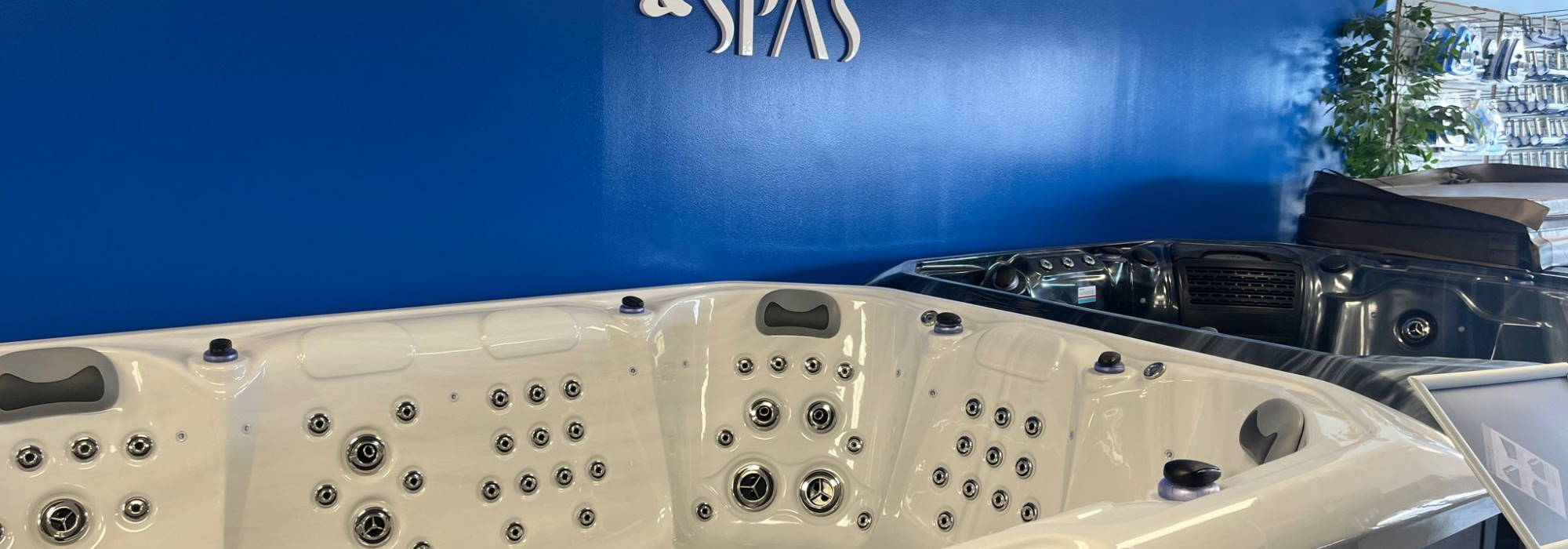
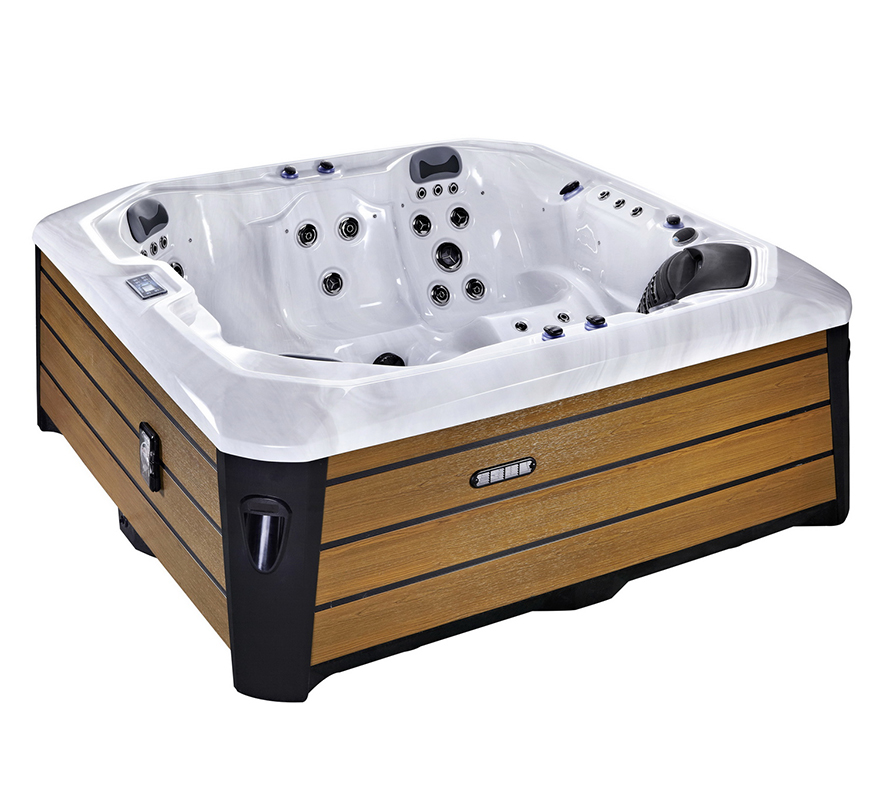
The compact two to three seater, often sold as a square tub around 6 feet a side, is a sleeper hit. Several manufacturers make one, often with a lounge seat that supports the whole body and a deep bucket seat for upright soaking. In a Winnipeg yard, this size warms quickly, costs less to run, and is easier to protect from wind. You lose space for a large group, but you gain heat stability.
Five seaters in plug-and-play form are the crowd pleasers when you have a family or you host often. Look for models that let you upgrade to 240 volts later. You can start on 120 volts, then convert if you decide you want faster heating or simultaneous jet power and heater operation. Dealers can advise on the conversion kit cost and whether the heater doubles in output once you make the change.
Rotomolded spas, the unglamorous but hard-wearing workhorses, deserve respect. Their satin finish and one-piece construction take abuse, shrug off chips, and often weigh less than acrylic shell units. They warm up faster in spring and fall, though in deep winter they rely heavily on a good cover and placement that shields them from wind.
Acrylic shell spas look and feel premium. They are often better at retaining heat thanks to thicker cabinets and full-foam insulation. For Winnipeg buyers, that translates to lower runtime on cold nights and more stable water temperatures during a long soak. If you like a sculpted lounge and a textured floor that keeps you planted, acrylic is your friend.
If you have a corner of the yard that traps sun and blocks wind, a triangular or corner model can be surprisingly effective. The smaller exposed surface means less heat loss, and you get a snug, private nook that feels like a winter hideout.
When you visit a local showroom, ask to see energy data at 0 Celsius and below. Some manufacturers test at 15 Celsius, which means nothing in February. A dealer who sells a lot of Winnipeg Hot Tubs should have a realistic take on winter performance, not just a laminated chart from a temperate climate.
Power, Performance, and the 120 vs 240 Question
The honest answer: a 120-volt hot tub will heat slower and may not maintain set temperature with all jets blasting in deep cold. If you like a vigorous massage, 15 to 20 minutes with jets on high, and you soak at 40 Celsius, you might notice a drop of 1 to 2 degrees on a minus 25 night. If that bothers you, choose a model that can convert to 240 volts later, or plan to install dedicated 240 from the start.
There is a myth that 240 automatically means sky-high bills. In reality, efficiency depends more on insulation, cover quality, and usage patterns. A well-insulated 240-volt tub can run cheaper than a leaky 120-volt one because it heats quickly and coasts. If you run frequent, short soaks, a quick-recovering heater is more efficient than a small element that struggles for hours.
Circuit load is another practical detail. That outdoor outlet that powered your string lights may share a circuit with basement plugs or a garage opener. A plug-and-play spa will trip a shared circuit at the worst possible moment. Pay an electrician for a dedicated GFCI-protected circuit on a 20-amp breaker. It is not a big job, and it prevents nuisance trips that cool your weekend plans.
Realistic Operating Costs, Month by Month
In shoulder seasons, you might see 30 to 45 dollars a month on a 120-volt unit if insulation is good and your cover seals tight. In January, with regular use, budget more like 60 to 90 dollars. A wind-exposed site or a waterlogged cover can push that higher. Running the filtration cycle overnight when the air temp dips can cost a few extra dollars, but it keeps water clear and avoids thermal swings.
Water care supplies add modestly to annual costs. Test strips, sanitizer, and a bottle or two of scale reducer matter in Winnipeg, where hardness varies. You will probably change water every three to four months. That means four to five fills a year if you use it heavily, fewer if you take a break in July. Heat a fresh fill during the afternoon when your household demand is lower and grid strain is less intense. The heater will run hard regardless, but a warm day helps.
What Differentiates a Good Dealer From a Warehouse Box
A hot tub is not a box of towels. If you are searching “hot tubs store near me,” look for a shop that does their own service and stocks wear parts. A gasket, a pressure switch, or a replacement headrest should be on a shelf in town, not a six-week wait away. Ask how many plug-and-play models they sell each season, and who handles the first-year warranty calls. A dealer who says “Call the manufacturer” will do the same when a pump rattles at year two.
Delivery matters. Winnipeg yards can be cramped, icy, and riddled with narrow gates. A crew with sleds, dollies, and patience is worth more than a discounted drop-off that leaves a tub on your driveway in a snow squall. Verify that they place, level, and fill on delivery. Good shops set the initial chemical balance and walk you through the control panel while your fingers still have feeling.
Service response during cold snaps separates professionals from pretenders. A good dealer has protocols for freeze protection issues. They will tell you to keep the cover on, reduce set temp but not too far, and check for error codes before you start flipping breakers. If they have an after-hours line or at least a next-day triage, your risk of a freeze-related catastrophe drops sharply.
Setup That Works in a Prairie Backyard
Level support is non-negotiable. A plug-and-play tub is forgiving, but an uneven base twists the shell and stresses the cabinet. A ground-level composite pad, patio pavers set properly, or a small concrete slab does the job. If you choose pavers, bed them on compacted crushed stone and a thin layer of sand, not the topsoil your garden loved last year. Freeze-thaw cycles will move anything that lacks compaction.
Wind is the thief of heat. Tuck the tub near a fence or a wall that blocks the dominant wind. If you have a pergola or plan to add one, hang a weather curtain for the worst months. Do not crowd the access panel. Leave at least 60 centimeters on the service side so technicians can reach the pumps and control pack without gymnastics on black ice.
Plan the electrical run thoughtfully. Even if you are using an existing outlet, a short, heavy-duty cord is better than stretching the factory cord across a walkway. You want GFCI protection at the source. Avoid rooftop cords and make sure the connection point is sheltered from dripping meltwater. If you eventually convert to 240 volts, route conduit in a way that does not carve up Swim and Spas your landscaping or create trip hazards.
Water Care Without the Guesswork
Hot water asks more of sanitizers. Aim for a sanitizer system that fits your tolerance and schedule. Many plug-and-play models pair well with a simple dichlor and MPS routine or a mineral cartridge plus low-dose chlorine. Salt systems exist for 120-volt tubs, but check that the control pack can manage the added demand and that the cell is sized properly. In Winnipeg, cold air does not sterilize anything; it just numbs your fingers before you finish the test.
Start with balanced water. Fill through a pre-filter if your home water is hard or full of sediment. Winnipeg tap varies by neighborhood, so test alkalinity and pH immediately. Bring a sample to a local shop for a baseline test. A good store prints the results and writes a simple dosing plan, not a potion ritual. They should also help you pick a scale control product if your kettle tells you your water builds scale quickly.
Filter maintenance is boring and essential. Rinse the filter every two weeks and soak it in a proper cleaner every month or two. Replace yearly if you use the tub often. Dirty filters starve the pump, which trips heaters and creates error codes that appear to be electrical, not hydraulic. When minus 25 arrives, you want the tub humming, not flashing a cryptic message while you Google under a porch light.
A Winter Routine That Keeps the Heat In
Keep the cover clear. Snow insulates, but weight bows the foam. Brush it off with a soft broom. Ice on the seam is a draft you can feel at your shoulders. A little food-grade silicone on the hinge gasket can help it stay supple. If the cover straps start to stretch, adjust them. Wind lift is real in January. If your site is exposed, ask your dealer about simple wind locks that do not make opening the cover a wrestling match.
Open the cover slowly on frigid nights. You want the plume of steam to escape without dragging half your heat reserve along. Some owners crack the cover for a minute, then fully open. It sounds fussy until you see the temperature drop difference on the control panel. Keep soaks to 20 to 30 minutes if you prefer very hot water in deep cold. You can always go again after the tub recovers.
Set filtration cycles to times when you are unlikely to soak, and consider a slightly longer cycle in winter to keep water moving. Warm, moving water resists freezing in unexpected spots. If you travel, do not power the tub off unless you fully winterize. Drop set temperature to 35 or 36, keep the cover latched, and let the freeze protection do its job.
When Bigger Is Not Better: The Case for Smaller Tubs Here
Winnipeg buyers often daydream about six to seven seaters. Then February arrives and the tub sits at 37 while two people soak and a prairie wind steals heat from every exposed surface. A compact three or four seater with full foam and a tight cover pulls ahead in winter comfort. It heats quickly, loses less heat during a soak, and costs less to run. You can still host, you just take turns or rotate in shifts. The smaller water volume also means your sanitizer keeps up without heroic dosing after a family night.
If you absolutely want a bigger footprint in a plug-and-play, choose a model with a reputably efficient shell and cabinet. A well-designed five seater with smart plumbing beats a bargain seven seater that looks impressive but bleeds heat and fizzes instead of massages. The best Winnipeg Hot Tubs dealers will level with you about real-world results from customers who used them through an entire winter.
The Test Soak: What To Notice Before You Buy
A showroom soak is the closest thing to truth you get before delivery. Bring a swimsuit and ask to try at least two models. Pay attention to seat depth and footwell space. If you float out of the lounge every time you exhale, no number of jets will make it right. Try the controls without looking. Intuitive panels reduce learning curves for everyone in the house.
Listen to the pump on low speed. A quiet hum is good. Rattles or cavitation noises suggest poor plumbing or a design that strains the pump. Ask the dealer to close and open the equipment bay so you can see how tightly the foam and vapor barrier fit. Check the cover hinge quality. If the cover lifts like a patio cushion, it will not survive March winds.
Ask the salesperson to show you the inside of the cabinet on a floor model. You are looking for clean wiring, labeled unions, and foam coverage. Shortcut insulation looks like bare walls and miles of exposed plumbing. In our climate, shortcuts become bills.
Smart Placement and Simple Accessories That Pay Off
Position the tub where you will use it on a Tuesday night, not just on a party weekend. Close to the back door wins in winter. A path with traction matters if you value your ribs. Motion-activated lighting makes late soaks feel safer and friendlier. A small table or shelf near the entry keeps towels and hats dry. You will thank yourself when steam curls off your shoulders and your glasses fog like a greenhouse.
A good cover lifter is worth it. It reduces heat loss because you are not fighting the cover at awkward angles that let steam billow. Choose a lifter that suits your space. Upright lifters act like a wind block if the tub sits near a fence. Low-profile versions work better under eaves.
If privacy is a concern, add a simple privacy screen that does not block airflow completely. Trapping moisture around the cabinet raises humidity and can aggravate wood structures nearby. A cedar or composite screen with gaps looks good and shares the job with the cover.
A Quick Buyer’s Checklist
- Verify full-foam insulation or an equivalent high-performance system. Choose a dedicated 20-amp GFCI circuit and confirm cord length and routing. Inspect the cover: 4 to 3 inch taper, dense foam, sealed seams, sturdy straps. Test soak for fit, seat height, and pump noise on low speed. Ask about winter service support, parts on hand, and conversion to 240 volts.
Where to Find the Right Fit Without the Runaround
Typing “hot tubs store near me” will yield a mix of national chains, local dealers, and a few tempting warehouse deals. The value in a Winnipeg-focused dealer lies in knowing which models survive blizzards without drama and which settings you should tweak once late fall arrives. Many also offer preseason promos on plug-and-play units that include upgraded covers, lifters, and delivery packages that spare you a slippery do-it-yourself episode.
If you prefer to kick the tires, visit two or three shops in the same afternoon so comparisons are fresh. Ask each dealer about what they stock for winterizing supplies and whether they loan or rent submersible pumps for draining. A dealer happy to support a plug-and-play buyer long term is usually comfortable answering highly practical questions on the spot.
Final Thoughts From a Long, Cold Winter
A plug-and-play hot tub is a small rebellion against six months of cold. It is also a sensible entry point if you want therapy and comfort without opening a wall for a new breaker panel. The right unit for Winnipeg is not necessarily the one with the flashiest shell or the biggest jet count. It is the one that holds heat, fits your space, and comes from a dealer who will show up when frost flowers bloom on your railing.
If a model checks the boxes on insulation, cover quality, pump design, and service support, you will spend more evenings floating under a pale blue sky while the air gnaws at your ears but your body stays warm. You will step back into the house with cheeks red, shoulders loose, and a sudden fondness for winter that was not there at noon. And that is the point: making our city’s longest season feel a little shorter, one soak at a time.