You start looking for a hot tubs store near me for the same reason most people do. Your back won’t stop grumbling. Your sleep is moody. Your stress response has all the nuance of a car alarm. Then you sit down in a well-set 102 degree soak and your shoulders finally drop. There is a reason the Romans built entire societies around communal hot water. It still works.
The conversation usually starts with romance and bubbles. It should end with blood pressure, joint mobility, immune function, and whether you can keep the water clear through a Winnipeg February. If that sounds less glamorous than the brochure, good. A hot tub can be a wellness tool that genuinely changes your evenings, but only when you buy for the life you live, not the life the salesperson imagines. I install, troubleshoot, and soak in these things year after year. Here is how the benefits actually show up, which models and features matter, and what to ask before you swipe.
Why warm water makes bodies behave
The science is simple and stubborn. Warm water dilates blood vessels. That improves circulation to muscles and connective tissue. Buoyancy reduces effective body weight by roughly 85 to 90 percent when you’re submerged to the shoulders, which unloads the spine and hips. Hydrostatic pressure nudges excess fluid from the periphery back toward the core, a quiet assist for swollen ankles and tired legs. Put those together and you get less pain and more movement.
I see it every winter when Winnipeg Hot Tubs customers wander in on icy Saturdays with tight lower backs. Ten minutes in a tub with proper lumbar jets and they stand differently. Not cured, not magically twenty-five again, just looser, safer, and less guarded. Heat increases elastic properties in muscle and fascia for a short window. Use that window and life gets easier. Waste it and you get a warm nap.
Moderate hydrotherapy after activity also helps. A short soak in the evening can reduce delayed onset muscle soreness by decreasing muscle spasm and improving blood flow for nutrient delivery. No, you do not need a volcano of jets. You need a seat that fits your body and a pump that delivers consistent pressure without sandblasting your skin.
Sleep is the sneaky superpower
People come in because of pain. They return because of sleep. The routine is straightforward. Soak at 100 to 102 degrees for 15 to 20 minutes about an hour before bed. When you step out, your core temperature drops, a cue your circadian system reads as time to wind down. Add the parasympathetic nudge you get from warm water and the result is deeper onset and fewer awakenings.
I can’t count the number of customers who start with “my knees hurt” and end with “I stopped doom-scrolling at midnight.” It is not a placebo. Polysomnography studies show improved sleep efficiency after passive body heating. That translates into better recovery, which in turn makes the same hot tub soak feel more effective over time. If you are hunting for hot tubs for sale and sleep is on your radar, look for models with quiet circulation pumps. A nocturnal hum right outside your bedroom window will undo all that good work.
Stress, physiology, and the long game
You will hear that hot tubs relieve stress. The word is vague until you think physiology. Warm water drives vagal tone up and sympathetic drive down. Heart rate variability improves, which is a decent proxy for resilience. Your shoulders drop. You breathe slower without forcing it. That is the acute effect.
Over time, the ritual becomes the medicine. Most people are terrible at scheduled self-care. A hot tub forces you to stop. Phones do not love steam, dogs do not require a walk at that exact moment, and a backyard sky has a way of editing out the day’s nonsense. A consistent 15-minute soak becomes a line in your schedule you can defend. If you have teenagers, they will show up regularly, often with out-of-nowhere conversation. Families bring that up more than jet counts.
Joints, arthritis, and practical relief
Arthritis responds to heat, movement, and gentle pressure. A well-designed soak gives all three. Buoyancy reduces joint load on hips and knees. Heat eases stiffness. If your tub has a cool-down bench, you can shift positions without clambering like a climber on a wet dock. That alone is worth money if stairs make you hesitate.
For hands and feet, dedicated jets are overkill. You want adjustable flow you can aim along the forearm flexors and calves. The magic is less in pounding pressure, more in steady warmth that lets you move through ranges of motion you avoid on land. Customers with rheumatoid arthritis often soak in the morning for mobility and at night for sleep. The key is water chemistry that does not irritate sensitive skin, which is a strong argument for well-managed chlorine at low levels or a properly set salt system, not massive bromine tablets.
The cold-climate question: do hot tubs and Winnipeg winters get along?
Short answer, yes, if you buy like a prairie person and not like a vacationer. I have serviced tubs in January at minus thirty. The two differences between happy owners and regretful ones: insulation and cover quality. Full-foam insulation keeps plumbing heat-loss low and prevents freeze risk during power outages. A dense, well-fitting cover with a tapered profile sheds snow and minimizes heat bleed. Cheap covers get wet from vapor intrusion, double in weight, and become stubborn sails. Good covers last 3 to 5 winters and pay for themselves.
Energy use is the other practical question. Expect 20 to 60 dollars per month in winter on a modern, well-insulated 4 to 6 person tub in Manitoba, depending on wind exposure, set temperature, and usage. Older models or perimeter-insulated tubs can cost more. If you shop a hot tubs store near me and the salesperson dodges questions about insulation type, ask to see a cutaway. A reputable dealer will have samples on the wall and won’t mind you poking at foam density.
Jets, seats, and the ergonomics you feel in your spine
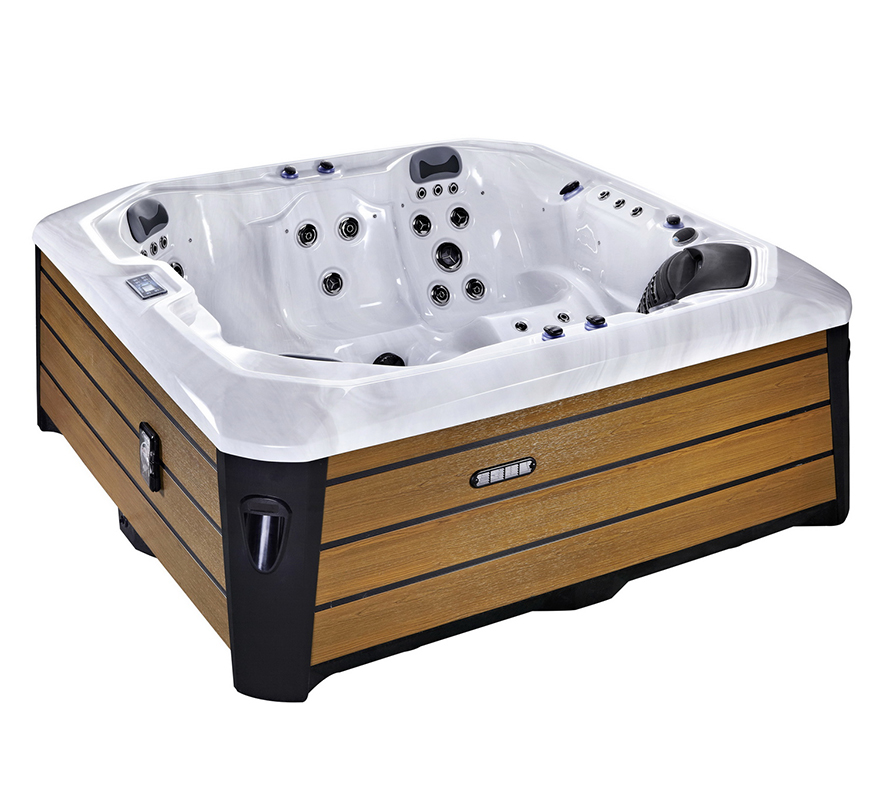
Jet count makes slick marketing copy. It does not measure relief. Placement, pump horsepower, and flow control matter more. A 35-jet tub with two pumps can outperform an 80-jet tub run through tiny orifices and weak diverters. Sit in the floor model, dry, and watch how your lower back meets the shell. If you feel a dull pressure point on the sacrum while dry, it will turn into a hot spot in water. Everyone romanticizes the lounger seat until they float out of it. If you are under 5 foot 7 or have a long torso, loungers usually fight you. Corner captain’s chairs with a hip brace work for most bodies.
I tell couples to negotiate seating, not shell color. One person always ends up in a seat that fits better, and that person will use the tub more. If that person is the one who hates winter, congratulations, you just improved February.
Water care without the drama
Crystal water is not a personality trait. It is a habit stack.
First, filtration. Larger square footage filters trap more gunk and need less frequent cleaning. Rinse weekly, soak in a filter cleaner monthly, and replace every year or two depending on load. Second, sanitization. You can run chlorine or bromine successfully, or use a salt chlorine generator if your model supports it. Ozone and UV systems are helpful assistants, not replacements. They reduce sanitizer demand but do not kill what sanitizer does not touch.
Third, pH and alkalinity. Keep pH between 7.2 and 7.8, total alkalinity between 80 and 120 ppm. Low pH stings eyes and chews components. High pH clouds water and reduces sanitizer efficacy. If you have hard Winnipeg water, scale control matters. A stain and scale product once a week saves heater elements and jets. If the store you’re visiting sells test strips only, ask about a free in-store water test using a photometer. Good dealers run one while you talk jets.
Finally, water changes. Every three to four months is a solid rule for a family of four using the tub several nights a week. If that sounds frequent, remember you are essentially a walking essential-oil and detergent delivery system. A clean drain and refill beats gallons of clarifier.
Matching wellness goals to features you actually use
Most buyers over-index on party features. It is fun to imagine eight friends under the stars every weekend. Reality: two to four regular bathers, maybe a holiday crowd. When health and wellness are the focus, buy for the 90 percent case.
- If pain relief is primary, prioritize strong back and hip seating, plus adjustable neck jets. A therapy pump with air mix control lets you dial from deep pressure to softer massage. For sleep and relaxation, invest in quiet operation and lighting you can dim. Bright, flashing LEDs look cheerful for ten minutes, then they feel like a casino. For arthritis and mobility, insist on easy entry. Wide, textured steps inside the tub reduce slips. A handrail is a small accessory that prevents big injuries.
That list is one of two you will find here, and for good reason. These are the choices that separate useful wellness from expensive decor.
The Winnipeg factor: local service and climate-savvy advice
If you are searching Winnipeg Hot Tubs instead of generic hot tubs for sale, you are already on the right track. Local dealers understand wind exposure, yard access through snow, and what happens to covers at minus thirty when you drop them on a snowbank. They also stock parts that fail in this climate. Circulation pumps and heater relays do not wait politely for spring.
Ask about lead times for service in January. A dealer with three techs for 600 customers will triage you behind a line of frozen filters. A dealer with a proper service department will tell you which models have the fastest parts pipeline. That is information you cannot get from a national warehouse website with glossy photos and no one to answer the phone on a Sunday.
Energy stewardship without turning into an HVAC engineer
Most people want the comfort without the bill shock. You can have both. Full-foam insulation, a tight cover, and smart habits do most of the work. Keep the set temperature consistent. Constantly swinging from 95 to 104 uses more energy than holding steady. If you go away for a week, drop the set point by 10 degrees rather than powering down. Program filter cycles to avoid peak utility rates if your plan varies by time of day. If wind is an issue in your yard, a simple privacy fence or hedge on the prevailing side reduces convective heat loss.
Folks often ask about plug-and-play 120 volt models versus hard-wired 240 volt tubs. Plug-and-play is convenient but struggles to maintain temperature in winter with multiple bathers. A dedicated 240 volt line with a 40 to 60 amp breaker gives you heat while jets run, which matters when it is minus twenty and your neighbor wants to talk hockey.
The myth of maintenance-free and what low-maintenance actually looks like
I have yet to meet a maintenance-free hot tub that wasn’t also imaginary. Low-maintenance exists. It looks like five minutes a day and twenty minutes a week. Daily, pop the cover, check water clarity and scent, and run the jets for a few minutes to circulate sanitizer. Weekly, test and adjust pH and sanitizer, rinse filters, and wipe the waterline. Monthly, deep clean filters and check cover straps and seams. Quarterly, drain and refill, using a line purge product to clean biofilm.
You can outsource some of this. Many local stores offer maintenance packages, which make sense for busy professionals or for tubs at rental properties. Even then, learn the basics. A technician can’t teleport to your yard when a breaker trips during freezing rain.
Social wellness and the honest ROI
Not everything about a tub is quantifiable. The best ROI I hear about has nothing to do with kilowatt hours. Parents get their teenagers for thirty quiet minutes where everyone stares at the same sky and, for once, the same subject. Couples get a nightly check-in without a screen. A bad day steps down from a ten to a six. If you measure value in fewer painkillers, deeper sleep, and a better mood heading into Monday, the numbers start to make sense.
Upfront cost ranges widely. Entry-level rotationally molded models start in the low thousands. Mid-range acrylic tubs with two pumps and solid insulation land in the 10 to 15 thousand range. Premium models with three pumps, full-foam, and high-end controls go north of 18. Installation, electrical, a pad or concrete, and accessories add another 1 to 4 thousand. If the price feels steep, compare it to a single family vacation. The tub shows up every night, in every season.
Safety, the quiet hero of long-term enjoyment
Warm water feels safe until it isn’t. A few guardrails keep it that way. Keep water between 100 and 104 degrees for adults. Pregnant users should consult their provider and stay closer to 100 with shorter soaks. Alcohol and hot water multiply risk of fainting. If you must mix, do it lightly and never alone. Keep hair tied and avoid necklaces around powerful neck jets. Add a non-slip mat where you step out, especially on composite decks that get slick in winter. Keep the cover locked when not in use, not just for kids, but to maintain water temp and keep critters out. I have pulled more than one stunned squirrel from a filter bay.
How to test a tub like someone who will actually use it
Most shoppers sit in a dry floor model, nod, and talk color. Better approach: wear a swimsuit and ask for a wet test. Any decent hot tubs store near me should accommodate. During the test, sit in each seat for a few minutes and adjust air mix and diverters. Check whether jets maintain pressure with multiple seats occupied. Listen for mechanical noise. Pay attention to how easily you slide from seat to seat. If you float in the lounger, believe your body. It will do the same at home.
Bring the person who complains about back pain. Bring the person who is skeptical. Bring a towel you like, because you are testing a ritual, not a widget.
Buying local without buying blind
If you are scanning hot tubs for sale online and price is tempting, remember that freight, backyard placement, electrical, and the first frozen January will find you either way. The best balance is often a local dealer with transparent pricing and strong after-sale service. Ask for references from customers who bought two winters ago, not last week. Look at the parts availability list, not just the warranty brochure. A ten-year shell warranty is nice. A ten-day pump replacement time is nicer when your tub is a block of ice.
If Winnipeg Hot Tubs is on your shortlist, walk in ready to talk about your yard, your climate, and your goals, not just shell colors and Bluetooth speakers. A good salesperson will ask how tall you are, whether your shoulders like pressure, and where the tub will sit relative to wind. That is the conversation that leads to a tub you will use three hundred nights a year.
A short, practical shopping checklist
- Wet test at least two models with different seating and jet layouts. Confirm full-foam insulation, a quality cover, and a quiet circ pump. Verify service capacity, parts availability, and winter response times. Plan electrical with a licensed electrician and a proper pad or base. Learn the water care routine before delivery, not after the first cloudy day.
That is your second and final list. Tape it to your fridge. Use it.
The quiet transformation most owners don’t expect
You think you are buying Swim and Spas a hot tub for an occasional soak. If you choose well, it becomes a place you default to when your back whispers, when your brain won’t let go, or when the sky finally clears at minus twenty and the air snaps. The wellness benefits are real because they are easy to claim. You do not need to book a class or block an hour at the gym. You step outside, flip a cover, and take back twenty minutes.
If you are searching for a hot tubs store near me and you are lucky enough to live where the stars are clear on cold nights, you will use it more than you expect. Pain backs down. Sleep arrives sooner. Family shows up. That is the sell, at least from someone who has trudged across a snow-covered deck at 10 p.m., watched steam lift into a prairie sky, and felt the week let go.